
Recently, I woke up with the realisation that I’m a small business CEO.
I never set out to be a small business CEO. The plan was to be the CEO of a rocketship, the next really big thing. Evidently, these plans haven’t materialised. One day, I woke up with the realization that I’m a small business CEO. I’m leading a team of three senior engineers and two co-founders (and a bunch of coding agents, but that’s a topic for another post).
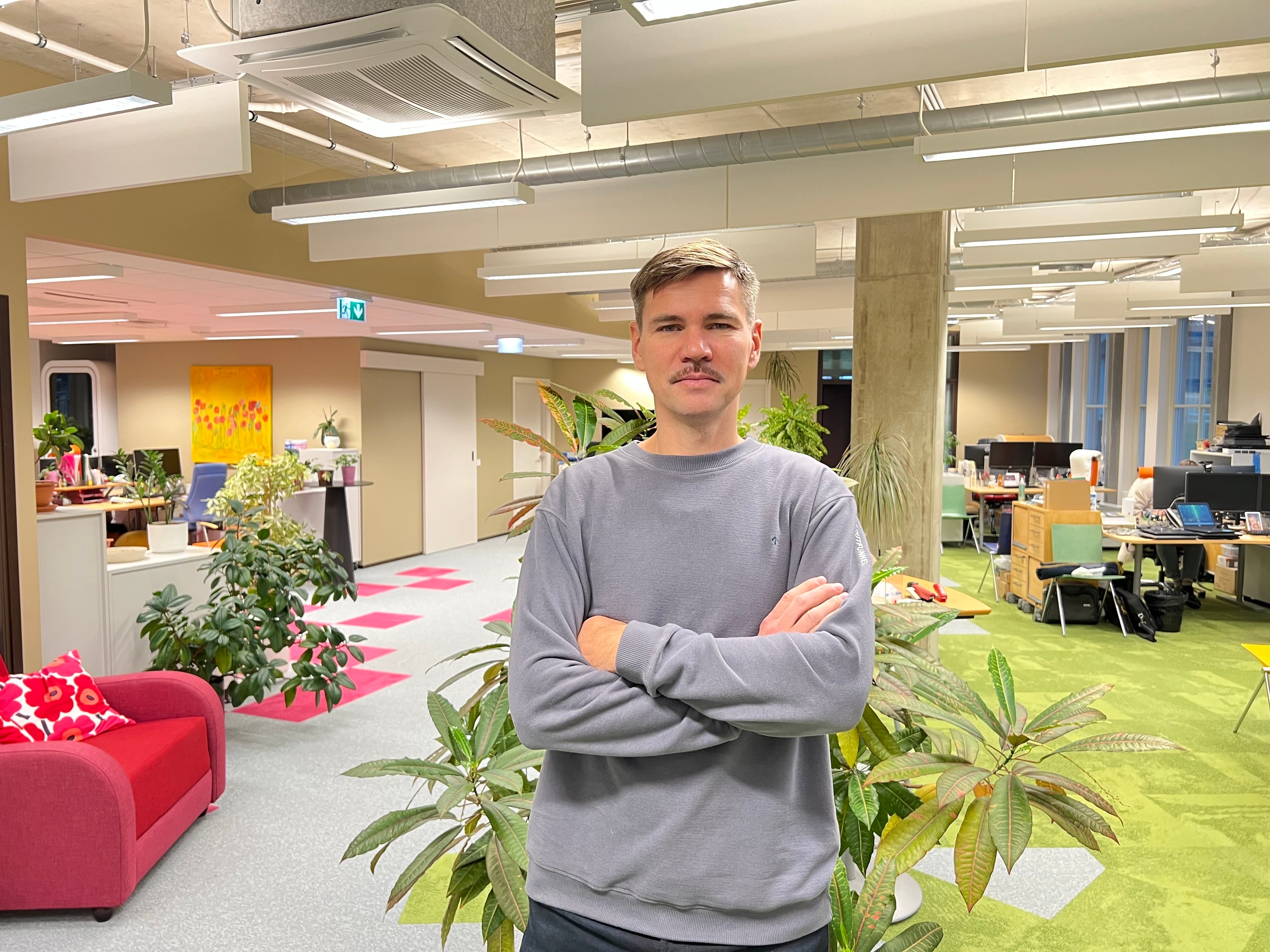
I never set out to be a small business CEO. The plan was to be the CEO of a rocketship, the next really big thing. Evidently, these plans haven’t materialised.
I don’t remember the day I stopped being the CEO of the next big thing and became the CEO of a small business.
Was it when we realised our product strategy needs to change for the fourth time?
Or when we couldn’t raise our $3 million Seed and settled for a $1 million bridge?
Or when I had to lay off our head of engineering?
Or when I realised I’m doing some marketing task that I first learned about 12 years ago?
As a small business CEO, I need to make ends meet. Bootstrap, if you will. I’m typing this post on a computer that is, at times, too slow for me. In my previous setups, I would have needed to request a new machine or email my account manager, and it would have appeared a few days later. Now, I consult AI tools to see which upgrades or uninstalls would make a computer with my specs faster.
I also do very little management and quite a bit of IC (individual contributor) work. I’ve taught myself to use some quite exotic features of our CMS, implemented affiliate management software, and, this morning, updated our listing in the ActiveCampaign Integrations directory. Previously, I would have delegated all of this. Now, I do it myself or learn how to get it done via prompts.
As a small business CEO, I’ve made fewer friends and connections over the last couple of years. I go to fewer events and travel less, which are quite welcome developments.
On the flipside, my professional connections are deeper. Not only do I know that my colleague has two kids, but also how they did at a hockey competition last weekend, or what they used for house insulation.
One thing that is working amazingly well in a small business is that my co-founder, Markus, is both head of customer support and head of product, and I’m also part of the round-robin system that handles support and onboarding calls. It’s truly beautiful how this shortens feedback cycles. And now that Markus is a part-time vibe-coder, product functionality has repeatedly changed an hour or two after a chat with a customer.
In many ways, running a five-person tech startup is exactly like running a five-person hair salon.
But there are key differences:
Hair salon customers seldom come in and pay 40x your starting price, while stretching your system capabilities and onboarding processes.
When you’re running a hair salon, you’re probably striving to be better than other hair salons in the neighbourhood or town. In a five-person software startup, we have to do something, even if something highly specific, better than anyone in the world.
(Outfunnel is now the best possible tool to connect specific CRM and marketing platforms. Not perfect, but the best in the world.)
Last but not least, there’s always the faint smell of massive success. If we get the next thing right, we can 5x or 50x our growth rates. I think about it every time we pull something bigger into the sprint. Every time.
Otherwise, I would have just founded a five-person hair salon, I guess.
Andrus Purde, currently the founder of Outfunnel, joins the platform as an entrepreneur whose background reinforces Fomo.Observer's mission to provide an expert view on the regional startup ecosystem. As part of a team of columnists/practitioners, he is dedicated to sharing the "unvarnished truth" of startup life — a perspective shaped by his previous experience leading marketing efforts at Pipedrive.