
Clicking Up: Taking on the giants
Chris Cunningham is on a mission to put "scrappiness” on the podium also in the Baltics

RIGA - In 2017, the founding team of ClickUp lived in a single house, working seven days a week to build a productivity tool designed to replace the fragmented “app-for-everything” landscape. Today, with 1,300 employees and a valuation in the billions, the company is eyeing the Baltic states as its next frontier in a David-and-Goliath battle against tech giants like Microsoft and Atlassian.
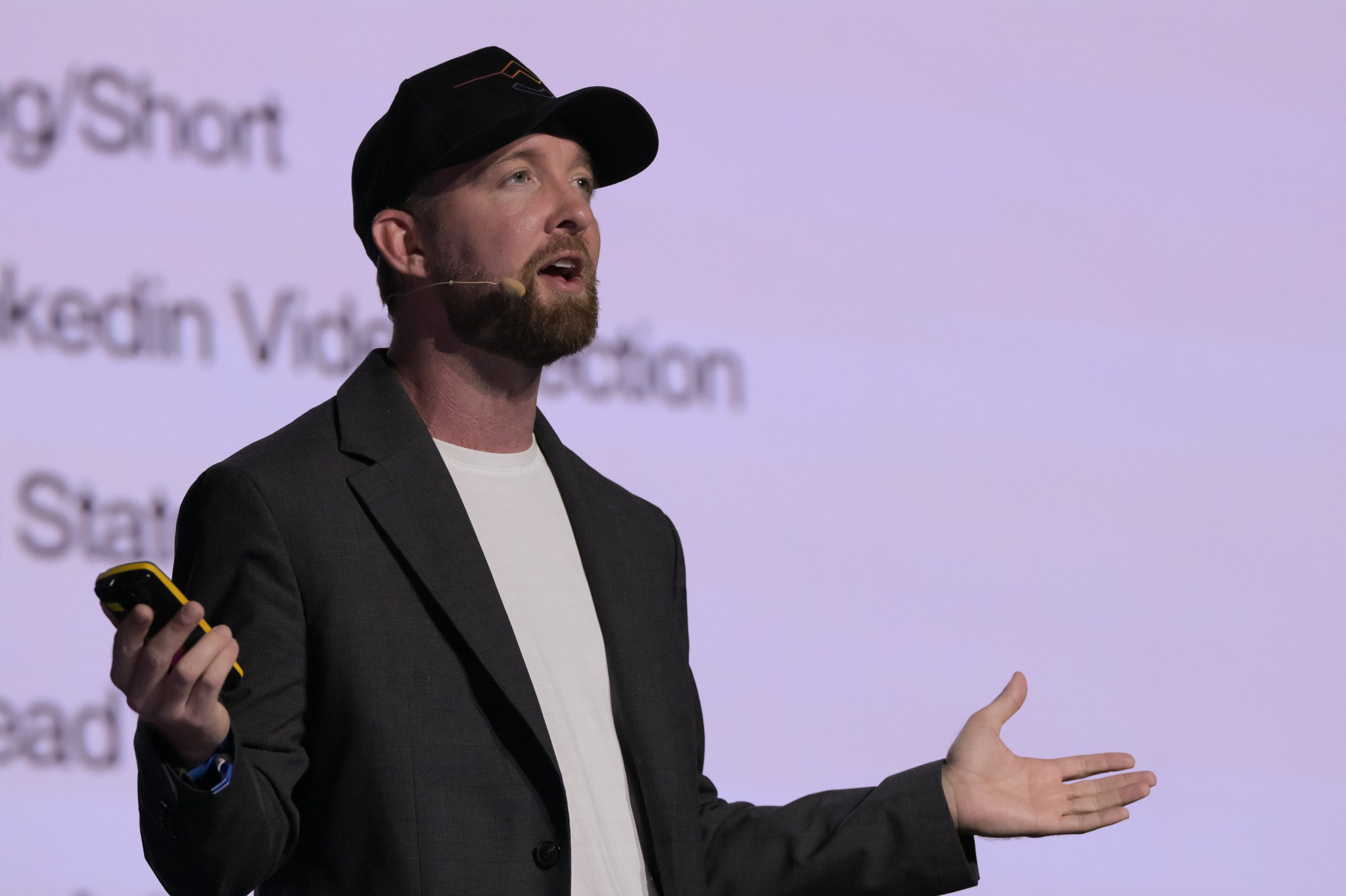
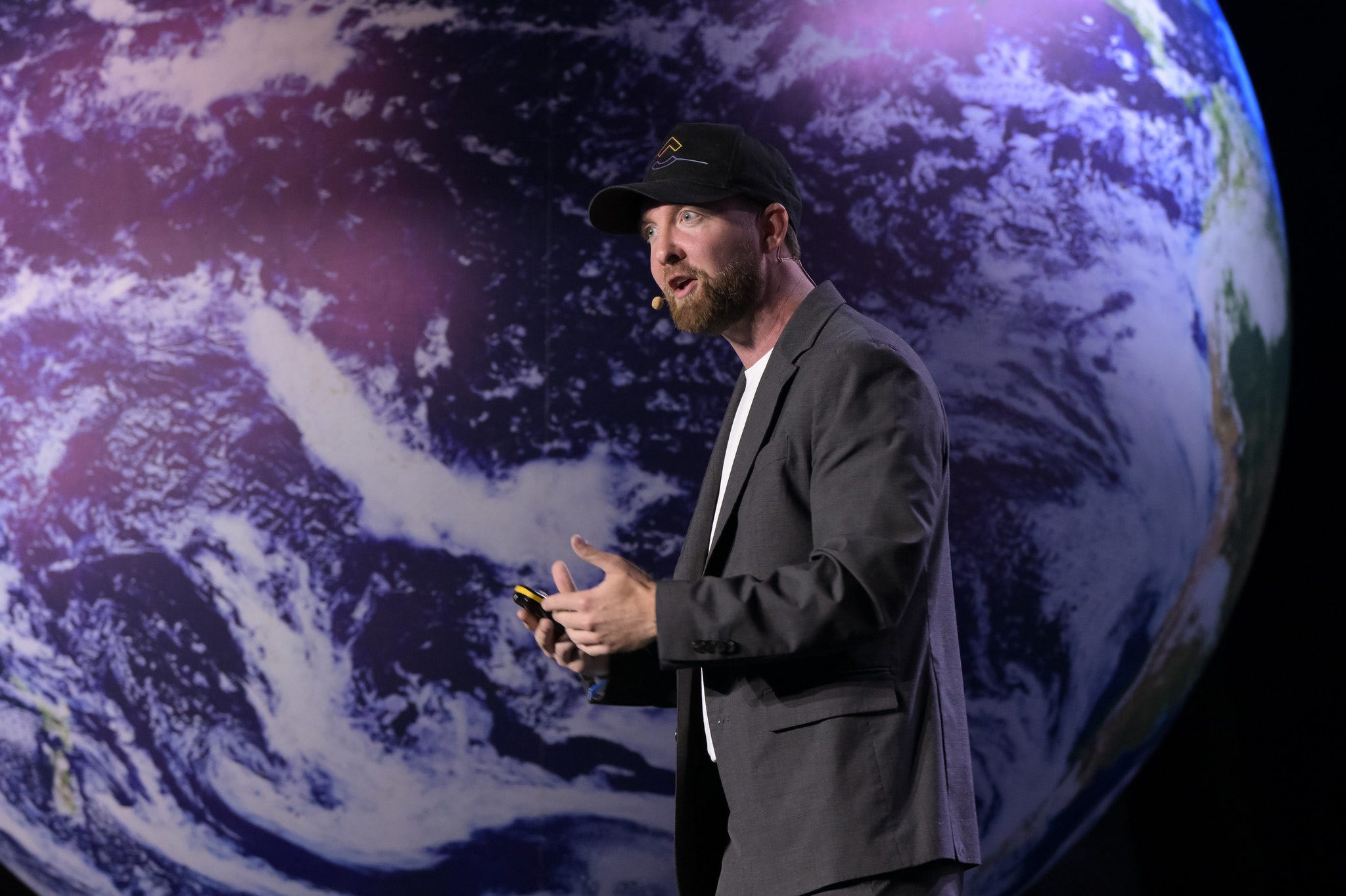
In an interview on the sidelines of TechChill in Riga, Chris Cunningham — ClickUp’s third member — detailed the journey from a Silicon Valley-style incubator house to a global enterprise, while admitting that the Baltics remain a largely untapped market for the platform.
The “One Place” Philosophy
The core narrative of ClickUp has always been about consolidation. While competitors focused on niche functions, ClickUp launched with an aggressive strategy to be the “one app to replace them all.”
“When you wake up in the morning, you have your email, you have your calendar, your tasks, your docs, your goals,” Cunningham explained. “ClickUp solves that problem by putting all your work in one place... rather than having to go log into Notion for your docs or Miro for your whiteboards.”
This horizontal approach was a calculated risk. By building a tool that is “completely customisable,” the company bet that users would prefer a platform that adapts to their specific workflows rather than being forced into a rigid structure.
Taking on the Giants
The transition from a newcomer to a market leader has placed ClickUp in direct competition with the oldest names in software.
“It feels like today we’re competing against everybody,” Cunningham noted, citing Microsoft, Monday.com, Jira, and Asana as primary rivals. Despite being the “new” player in a space where some competitors have existed for decades, ClickUp relies on speed and aggressive marketing to gain ground.
The rivalry is even reflected in the company’s internal culture. “I made a commercial called ‘Jira Sucks.’ I’m sure they probably don’t love me too much,” Cunningham quipped, adding that they also maintain a firm “No Windows” stance within parts of their creative team to stay aligned with modern SaaS workflows.
Baltic Expansion: A “Work to Do”
Despite ClickUp’s global footprint and offices in London and Dublin, the Baltics—Estonia, Latvia, and Lithuania—represent a unique challenge.
Current Adoption: Cunningham admitted that usage in the region is “not a ton, not as much as I’d like.”
The Competitor to Beat: In local conversations, Jira remains the dominant tool, particularly for engineering teams.
There’s definitely work to do on my end,” Cunningham said. “I want to learn, I want to understand what people are looking for... I want to figure out how to win here.”
Scaling Without Losing the Soul
The company’s growth from three people to 1,300 has not been without growing pains. One of the most significant lessons Cunningham shared was the danger of hiring “big tech” veterans too early in the scale-up phase.
“When you get some funding, you’re going to want to think, ‘Oh, let’s go hire from Netflix and from Oracle.’ They’re not the best people in my opinion because they’ve already made a lot of money... I think you still need to find scrappy people.”
As ClickUp prepares for its next phase, the focus remains on finding “hungry” talent who can maintain the high-energy culture that started in that 2017 startup house.