
Death of a Salesman?
Handhold raises €3M to automate the “white-glove” experience

TALLINN - In 1949, Arthur Miller gave us the tragedy of Willy Loman. In 2026, Tallinn-based Handhold is offering a different kind of ending: one where the "hustle" is handled by code, not people.
Handhold is on a mission to end the era of the sales pitch. Humans should only step into a sales conversation when the AI has already done the heavy lifting.
The company announced today that it has closed a €3 million seed round to accelerate growth. The round was led by Entourage Capital, with the likes of Markus Villig (Bolt) and Janer Gorohhov (Veriff) joining the cap table.
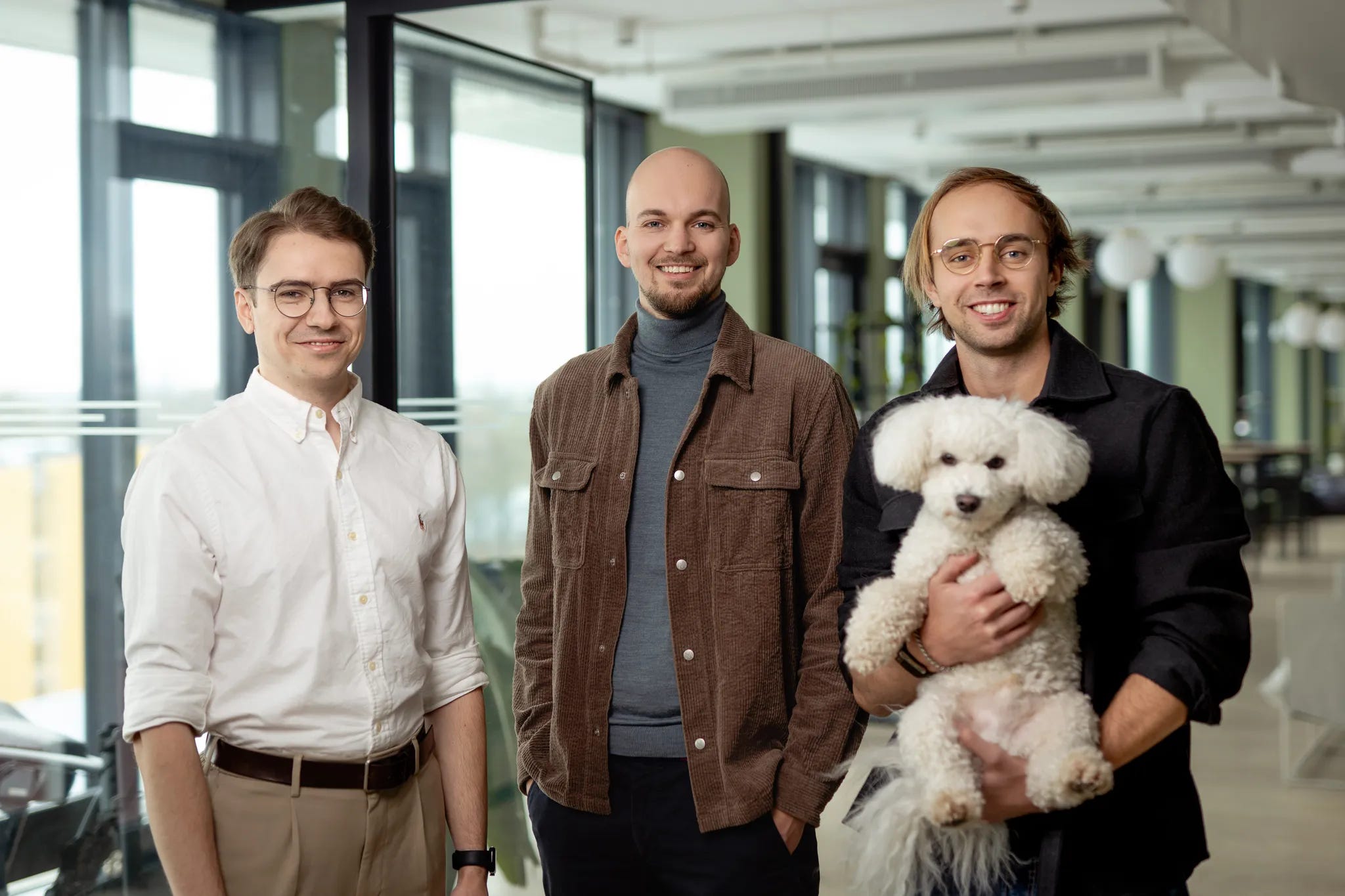
Efficiency first
Handhold CEO Georg Vooglaid lived that reality while leading revenue at Passbase. He found that while every customer wants a 24/7 personal handler, the math simply doesn’t add up for anyone but the biggest spenders.
“With our biggest client, I was available on WhatsApp 24/7,” Vooglaid recalls. “We would’ve liked to give that level of attention to every customer, but there was no way we could afford to staff it.”
By using AI agents, Handhold is essentially “downloading” that high-level expertise into a digital account manager that never sleeps, speaks every language, and - crucially - doesn’t increase the company’s headcount.
The end of the “bad-fit” demo
The platform isn’t just a chatbot; it’s a three-pronged system designed to make products “sell themselves”:
The Qualifier: Identifies who is serious and who is just kicking tires.
The Voice Agent: Runs personalized demos based on the prospect’s actual problems.
The Navigator: Sits inside the app to ensure the user actually knows how to use what they just bought.
Handhold said the results are already showing up in the data. Parim, a workforce management firm, saw a 60% drop in bad-fit demos since letting Handhold’s agents take the lead. This allows human sales teams to stop acting like “automated” presenters and start acting like strategic partners for enterprise-level deals.
With a six-figure ARR run rate achieved only months after their soft launch, the market seems to agree: if a machine can explain it better, faster, and at 3:00 AM, why wait for a human?