
KÄRT SIILATS: Conversation With the Next Wave
What makes me feel the most optimistic? It's seeing young people build something meaningful.
The New Year and the launch of a new media platform seem to call for an optimistic start. So I thought about what makes me feel the most optimistic, and it’s seeing young people build something meaningful. One of those is Tiffany Tuisk, a venture capitalist at Wave Ventures, which invests in Gen Z founders.
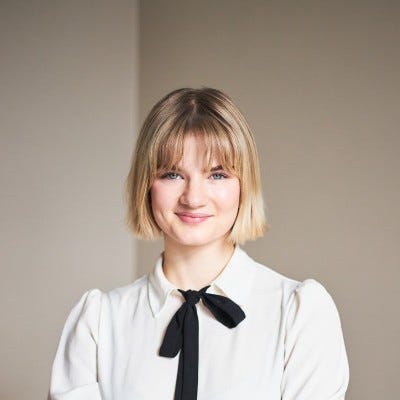
I’m cheating a little by having a conversation with Tiffany not telling my own stories, but I believe that it is the job of a good VC to highlight founders (which I will also be doing here) and co-investors and not only do I have a portfolio company in common with Wave Ventures in Andon Labs, but Tiffany also used to intern for me one summer when she was 17. And as I see her making waves right now, I believe she might end up as one of my biggest accomplishments yet, so this is also my story of putting a little bit of effort into an internship program.
Launchpads For Young People
That internship felt like a failure to me because I didn't spend enough time with them. But I did one thing right: I hired two of them, and they entertained and taught each other while soaking up the atmosphere. And as the other half of that intern pair was Anna Linder, who is currently building a startup at Harvard, something must have gone right.
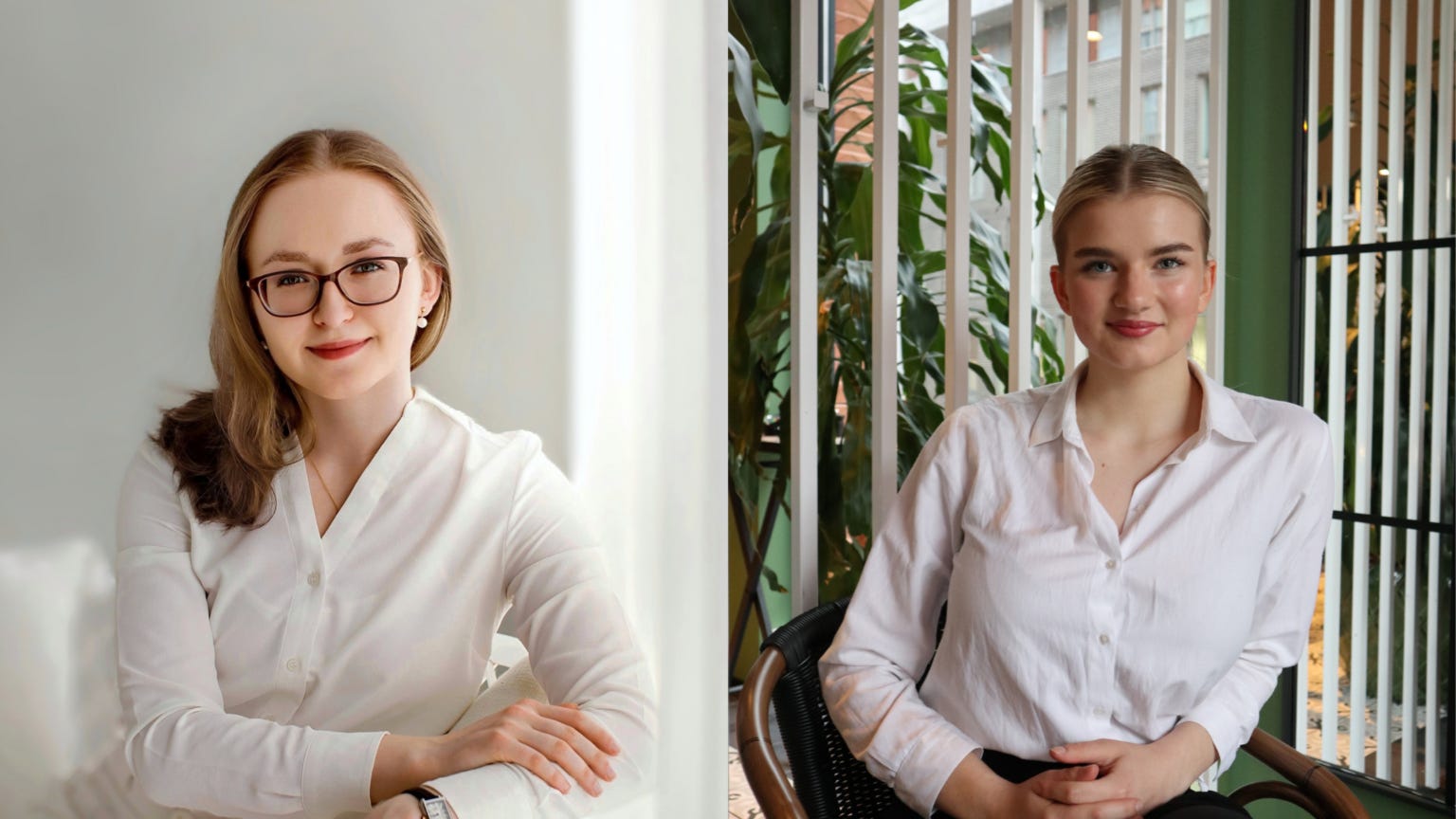
Another thing Tiffany did to propel herself forward was to participate in the ‘Work Shadow’ program – she asked around who the most interesting person in Estonia for VC was, got introduced to Sten Tamkivi, who was building Plural, and learned a lot in a single day.
It turned out the internship was also a launchpad to Wave, as Celine, whom I also helped hire, made the introduction when she heard Wave was looking for someone in Estonia. “Launchpad” is the word Tiffany uses at least ten times during our conversation, perhaps because she’s also studying engineering at TalTech at the same time and writing a thesis on the craters on the moon.
Receiving the offer from Wave before university meant she had to stay in Estonia, although she already had acceptances from America. With a few years of perspective, she’s dismayed about how much of her self-worth was tied up in agonising over which school she would get into, whereas now it all pales in comparison to the practical work she gets to do. She says that going from her introverted, focused academic pursuits to the extroverted, relationship-focused investment work requires extreme context switching, which can be quite jarring.
She has come a long way since the internship days – she’s now one of only two women in Estonia with actual final investment decision-making power in VC (she writes checks of EUR 100k and expects to make 3-5 investments a year), so we talked about the lessons she has learned along this journey.
The Upside of FOMO: Caring Enough to Get Hard Things Done
And, appropriately for this platform, that conversation quickly turned to FOMO. Tiffany claims she generally does not let herself be rattled by this job’s logic of "you win some, you lose some”. Most of your investments go wrong, and you only really find out the outcome a decade after making those decisions. So she was surprised to find herself deeply caring about having to reluctantly let one potential investment go. It turned out to be a competitor to an existing portfolio company, although that hadn’t been evident in early due diligence. And although she tries to be chill about it, that is complicated by Wave’s sped-up timetable. Instead of the 4-year investment period that every other VC gets to find their deals, Wave investors stay for only a few years. Or as she says: “Because we’re so limited in time, it forces us to think very similarly to founders.”
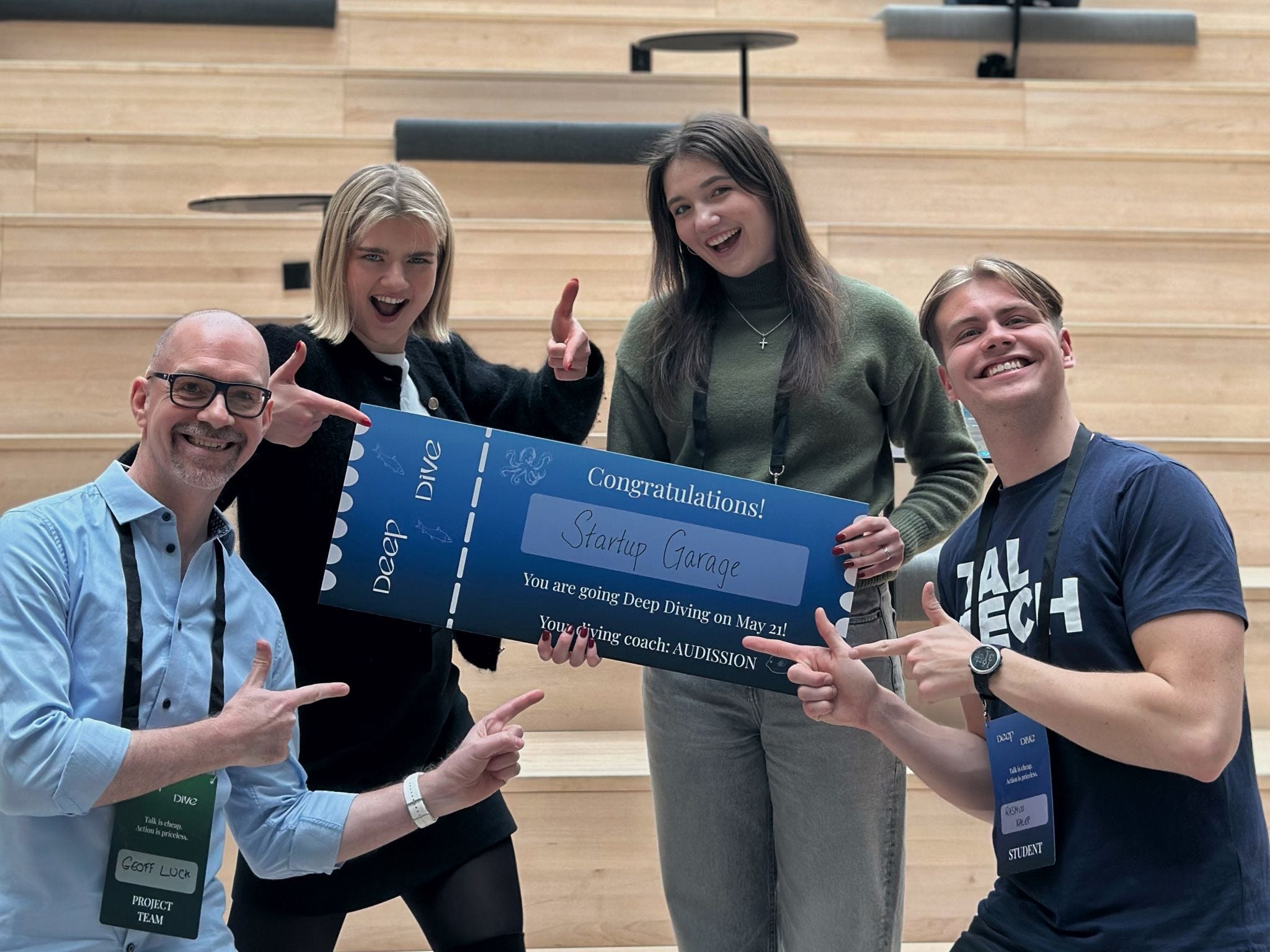
She has also experienced what it feels like to miss out on a deal because she took a break. She handed her colleagues a list of deals the fund should invest in on her departure, but looking back, realises she probably should have prepared a more specific strategy for each of the top names on her list. But she regrets this outcome less than the previous one, as she’s convinced she’s worked enough with these founders to be allowed to invest in their next rounds when they happen, exemplifying the ‘give first’ Silicon Valley culture she learned from Sten Tamkivi.
To learn that culture is one of the reasons Tiffany thinks all ambitious founders should at least try to go to San Francisco, and she sees more and more of that happening. The other one is the level of ambition, to be exposed to the good kind of FOMO.
VCs only invest in scalable startups, which means expectations for huge outcomes in a short time: getting to revenue within the first year, unless you’re a deeptech. And then growing that revenue at 10% per month for the first few years. And then tripling annually after that. Which is extremely difficult. This does not mean that the VC path is for everyone or the best option. One of the main tasks of a VC that Tiffany has realised is to identify those who genuinely want to be on that path. Even if they haven’t identified the most scalable idea yet, they’re willing to search and change if there’s evidence. Forcing cash on those who don’t have it is guaranteed to end in disaster.
The Downside of FOMO:
The Risks of Going With the Herd
There’s a saying that you need to invest 10m into mistakes before you know what you’re doing. So this is a classic learning for anyone starting out in investing in startups, whether VCs or angels. That of caring too much about other people’s opinions, especially those of generally accepted ‘thought leaders’, outsourcing your own thinking to them, and then realising you have to live with those decisions for a long time in this business. And if you were forced into the FOMO by other investors or the founder’s timetable, claiming you were going to miss out, then you don’t actually get to know the founder well enough or have a strong enough personal connection to be able to help them for years to come. You’re unlikely to learn the real problems that need solving. So while everyone needs to be ‘playing the game’ to some extent, it's important to recognize that pushing it to extremes will harm the founders themselves, and relying too much on other VCs' opinions may lead to unpleasant surprises down the line. Or as Tiffany says:
“At the beginning, you rely a lot on other people’s opinions, but at some point, you realise you have to make that decision yourself.”
And to make that decision, she has learned to ask these questions: ‘What’s the hardest thing you’ve ever done? Where do you see yourself in 10 years if everything goes according to plan? And what would most likely prevent you from getting there?’
Sourcing Deals: Estonia and Generational Alignment as Assets
But where does she find these people who want to be founders and can be expected to build something scalable? And can she find enough of them in the time she has? She says:
“It’s more about having to go out and find these people yourself, rather than waiting for someone to send you a pitch deck.”
While she says she has not really figured out a playbook yet - she does have a sourcing mechanism that seems to work, but it feels more accidental than intentional, her youth is a real asset here - she’s able to level with the Gen Z founders as a peer, she moves in the same circles as them, goes to the same parties and has the same friends. And at that age, the opinions and examples of peers tend to matter a lot. She can empathise with how those founders feel at that exact age and moment (while intentionally not capitalising on young people’s fears and insecurities), and she has co-founded a student startup herself, though it was more impact-focused than a unicorn.
Investing and Adding Value: Should VC Become Obsolete?
Wave expects the cash they give to cover more than half of a year's costs but less than a year's. 100k for ten months means burning about 10k a month on average. Which has a very different meaning in SF or in Estonia. So perhaps the founders who have gone to sniff the SF air and ambition should really return to Estonia to build here, as developers are of the same quality, and just return for sales later.
But the existential question that VC as an industry faces is also how long will that 10k a month still be needed from us: more and more work gets done by AI (not yet in corporations, but in startups where systems get built from scratch, it is easier to build them without people), resulting in fewer and less employees and costs. And at the same time, achieving first revenues is getting faster and faster. Soon, it might be the clients financing startups, not VCs. Should we become obsolete, given the bad experiences some founders have had with fundraising and investors? Or should we keep believing that we are different and we can add value besides cash?
Tiffany believes it is possible to help founders overcome past bad fundraising experiences by being different enough. She has already made her first investment, and I ask her how she sold herself to the founders and whether that made it feel more real as an investor. She says it didn’t yet, it just increased her appetite for more. And she does not make big claims about adding value. She says, “I can help with introductions and be the person someone can talk things through with.”
And I think in the world where LPs tend to lavish all of their attention on the VCs beating their own drum the loudest, I find that honesty refreshing.
Fundraising From Limited Partners = Sales Empathy Lessons For VCs
Speaking of which, as part of her experience with all the tasks of a VC, she was also responsible for fundraising for the next fund as she joined. And they’re still doing it, given that they decided to increase the fund size from 8M to 10M when they saw more builders, so even more context switching is required, and it also means the need to stay visible and build the brand.
And you cannot really half-ass fundraising, but it does mean VC partners responsible for that area can better sympathize with founders about the difficulties. Tiffany agrees that it also gives her a better picture of what kind of investor she does not want to be. When she gets ghosted by LPs in her own fundraising, she knows what it feels like.
The Future: Launch and Launch Again
When founders leave startups, they usually get to keep a little equity, to participate in the future success of what they’ve built. Wave investors don’t. And in a way, it is refreshing – new people are not bogged down by the baggage of everyone who went before them. But it does raise the question of whether it was worth starting from square one again.
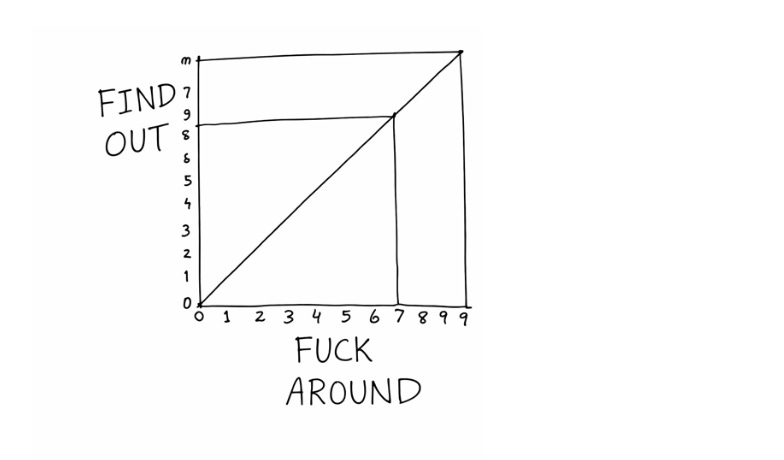
Tiffany thinks it is. She will get to bring her new connections and track record with her wherever she goes. And unlike other funds, they are actively preparing for what comes next. After realising that most of them had ambitions to become startup founders themselves, they now intentionally try to learn about it – they've had coding workshops and AI and machine learning workshops. And she thinks it’s a strength for them that people keep changing – everyone brings a fresh new perspective and new knowledge, and better and better people join as they build up the brand. So she’s currently in her ‘Fuck Around and Find Out’ era, as illustrated here:
She thinks a lot about her future and how to make the most of all the opportunities Launchpad offers. That is the blessing and curse of being the youngest: expectations that may be bearable a few years later may crush young shoulders when placed too early, and the experience to take advantage of what is offered may not yet be there.
I encourage her to take it step by step, just do whatever feels right next, and it may only reveal its usefulness later in retrospect. The doors will not close just because she does not choose to walk through them immediately. And things like a technical degree will serve her in the long run if she ever decides to become a founder, as she’ll be able to build her own product, and she’s leaning towards deeptechs anyway.
That is also what she sees as part of her mission: while she finds all forms of entrepreneurship cool, she’s trying to find young people who have already tried their hand at selling something or who have figured out attention and distribution on social media, and encourage them to build their own scalable software products as well. She tries to bring them together and introduce them as potential co-founders, hoping that seeing them build will also encourage others to try to build anything.
As every good piece of communication should end with a Call to Action, here’s hers: for the ecosystem is to allocate more resources to spaces where people can come together and build something cool for the first time in their lives.
I have seen the benefit of those spaces and events myself first hand and can only concur: spaces like based.space in Lithuania, Fr8 in Finland, or the great initiative of Ruum in Tallinn. Or the vibe-coding meetup series we’re running with Linda Võeras. Even if it’s just for a day like the Spikecamp we ran with the help of the ecosystem at Kernu Manor this summer.