
KÄRT SIILATS: The biggest FOMO in the Baltics?
How many apps from the Baltics can say they have a 50,000-person waitlist? BirdyChat does.
It is a chat app built for professional conversations, where you can reach people by email, not by phone number. Designed for focused, meaningful exchanges between managers, builders, and collaborators. I’ve tried it myself, and it is definitely worth the wait.
So when I was in Riga for TechChill, I knew I had to sit down with Rolands Mesters — whom I’ve known since trying to assist with some aspects of Nordigen’s successful exit to GoCardless — to chat about chatting and to find out how he got there and what is different the second time around.

As he’s one of the easiest people to talk to in the ecosystem (he says, “my superpower is not coding, it’s getting others to work with me”), we of course also detoured to topics as exotic as the Elixir programming language and how his mom coded a website on Lovable (and he himself a game for his kid’s first grade class). His mom is actually a big part of his journey – both his parents were entrepreneurs, and dinner table conversation was often about building things. He did start with an obligatory stint in the corporate world, but got his revenge when he founded a design agency and, knowing corporate budgets, charged more than he would have previously thought imaginable.
Rolands credits Anna Andersone with his first job in startups that set him on his current path. I also had the pleasure of meeting Anna at the Estonian embassy in Riga, and heard her being called ‘The Mother of Latvian Startup Ecosystem’, so it’s unsurprising that he’s managed to maintain the momentum to where he is now.
After that, Rolands started Nordigen together with Roberts Bernans, his classmate from the Stockholm School of Economics in Riga. By the time it was acquired by GoCardless in 2022, in one of the biggest Fintech exits in Latvia, from which multiple Estonian VC funds also benefited, Nordigen’s API connected to 2,300+ banks across the UK and Europe and served fintech companies and developers in 31 countries. Rolands brought his Latvian team along, and by now, GoCardless has grown to 180 people in Riga, a legacy he’s rightfully very proud of. He is stubbornly patriotic – both Nordigen and BirdyChat are established in Latvia, despite the fundraising and administrative challenges the local jurisdiction poses, which he hopes to help fix in the long run.
He says that is one of the downsides of repeat entrepreneurship, “I had forgotten how hard the hard days are and romanticised the good days.” That was partly what drove him to leave GoCardless to establish Birdy with his school friend Martins Spilners, with whom he had been building things since they were kids – Martins started coding at the age of nine.
And in a beautiful bit of startup serendipity, where the right things happen at the right time, if you’re ready for them, his favourite programming language, Elixir, which, while quite exotic among other programmers, is not only the most AI-agent-friendly, but also best suited for creating chat apps. This is also why their eight-person team now includes an Estonian – the pool of Elixir developers in Latvia is simply too small. But Rolands can find positives even in that – he says they’re not competing with other startups for developers, and the language affinity self-selects for truly passionate and dedicated developers.
I would argue that, in addition to Rolands’ sunny personality and infectious enthusiasm, the superpower that makes him eminently investable is also his ability to spot revolutions. Nordigen took advantage of the open banking revolution, and Birdy is similarly taking advantage of European laws that require the biggest messaging apps to be interoperable with one another – you can chat with Birdy users directly from WhatsApp.
Leaving GoCardless to start BirdyChat, of course, also sent a very strong signal to VCs about his dedication and belief in the new opportunity. So when he posted on LinkedIn that he was working on something new, he was inundated with VC approaches. Rolands says the benefit of repeat entrepreneurship is that he gets to choose people he already knows and has invested in his company before. But also that people know his name, and it opens doors that were closed before. As he puts it, he’s “milking the second-time founder aura for all that it’s worth.” He says fundraising still wasn’t easy, VCs think everything that is truly new is crazy (can’t argue with that), but he did end up with quite a dream cap table.
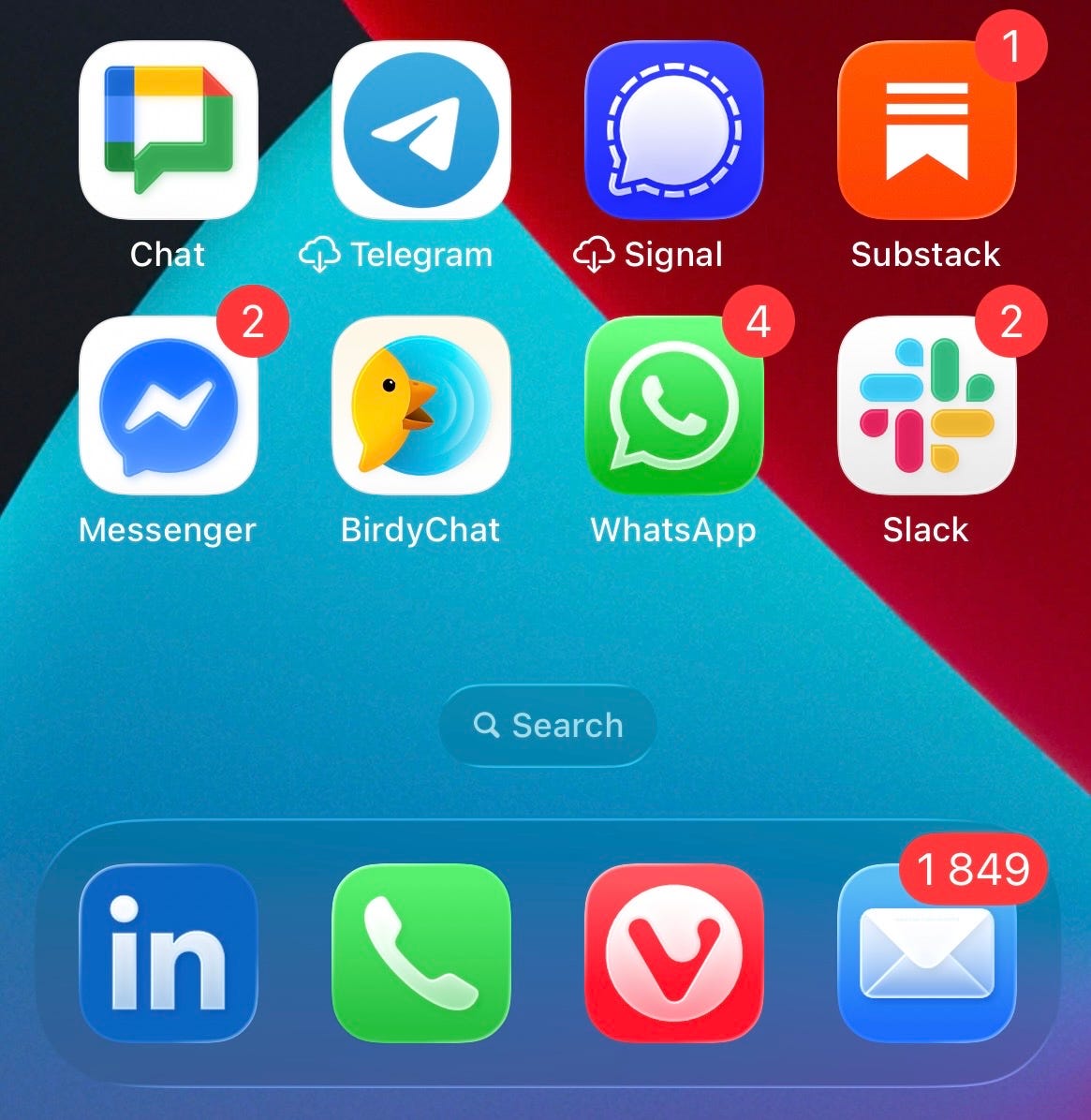
For BirdyChat, the next challenge is to reach the kind of network density that would keep them on the front screens of smartphones everywhere, and, as a first step on that journey, they are inviting the Estonians in soon. I would definitely recommend that other founders sign up for the waitlist for a chance to follow Rolands’ example and use Birdy to manage their own fundraising chats, find ways to use those chats to improve their product, and use it as part of their fundraising wherever possible.