
LIINA LAAS: Announce You’re Going to Win
Expecting to Win Feels Awkward. That’s Why It Works
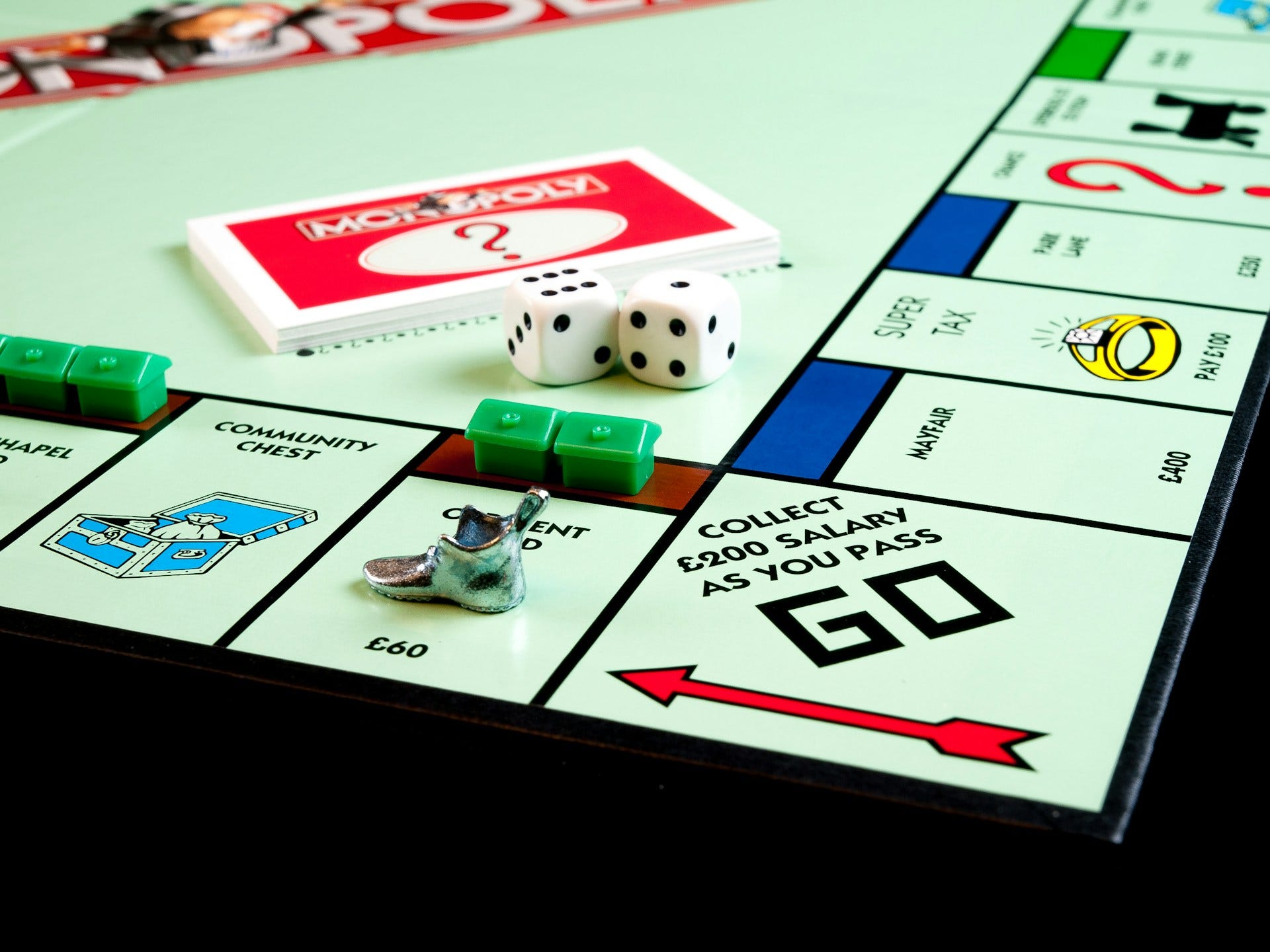
TALLINN - Every festive season, the board games come out. And every festive season, I follow the same tradition.
Before the game starts, I tell everyone that I’m going to win.
This usually results in laughter, some eye-rolling, and the occasional person immediately taking the game far more seriously than they planned to.
Then, more often than not, I win. Definitely at Monopoly. Definitely at Hitster.
For a long time, I thought this was just confidence, or experience, or perhaps the unfair advantage of having grown up in a house where music was always playing. But over time, I realised something else was at work.
Publicly announcing victory has consequences. Mainly, that you now have to earn it.
The moment you say out loud that you expect to win, you remove the option of playing casually. You pay more attention. You prepare more. You take fewer unnecessary risks, and you stop drifting. Losing is no longer just losing. It’s mildly embarrassing. And embarrassment, it turns out, is a surprisingly effective motivator.
I’ve spent most of my career in sales, and this dynamic shows up there constantly.
In sales teams, I often hear people talk about being “realistic” or “managing expectations.” While there’s nothing wrong with realism, it’s frequently used as a polite disguise for low conviction. Reps walk into meetings already assuming they won’t close. Founders pitch investors while apologising for their ambition. Teams soften their language so that failure feels less sharp.
I’ve always told my sales teams something that sounds unrealistic on paper: expect to win every deal.
Yes, I’m fully aware that this is statistically impossible. But the point isn’t the statistic. The point is behaviour.
When you expect to win, you prepare differently. You ask better questions. You push a bit harder when things get uncomfortable. You follow up instead of quietly writing a deal off as “not a fit.” You don’t negotiate against yourself before the other side has even spoken.
When you don’t expect to win, all of that effort quietly disappears.
Sales is not just about skill. It’s about belief backed by preparation. Confidence on its own doesn’t close deals. If it did, LinkedIn would be one big quota crusher. But skill without confidence often never gets a chance to show up. It stays hidden behind hedging language and safe decisions.
This becomes very obvious in complex sales, especially enterprise deals. Frameworks like MEDDICC exist for a reason. They help you understand whether a deal is real or imaginary. But no framework closes a deal if the person running it doesn’t believe they can win. If you don’t think you deserve the deal, you’ll find a way to disqualify yourself long before the buyer does.
Monopoly, oddly enough, is a good illustration of this. The game is not particularly clever. It rewards decisiveness and patience, not brilliance. Buy early. Buy anything you land on. Build houses quickly. Four houses, then a hotel. Someone will go bankrupt faster than expected.
Most people don’t lose Monopoly because they don’t understand the rules. They lose because they hesitate. They wait for the perfect property. They avoid committing cash. They play defensively in a game that rewards offence.
I see the same pattern in sales organisations. Teams wait for the perfect messaging, the perfect pricing, the perfect timing. Meanwhile, someone else commits earlier, compounds faster, and quietly takes the account.
Confidence also has a strong psychological component, which becomes very clear in games like Hitster. People give themselves away constantly. They smile too early. They can’t sit still when they know the answer. Humans are terrible at hiding belief.
Buyers, investors, and prospects pick up on this just as easily. They read tone, pacing, and conviction long before they read your deck.
There’s also an accountability element that’s often overlooked. When you say out loud that you expect to win, you create a form of public commitment. Sharing goals works not because it motivates you, but because it makes failure uncomfortable. Motivation comes and goes. Accountability sticks.
In sales, accountability is everything. When a rep commits to closing a deal by a certain date, they behave differently than when they say they’re “hoping” it closes. When a founder publicly commits to a milestone, priorities suddenly become clearer.
None of this guarantees success. You can do everything right and still lose. But expecting to win increases the probability that you do the work required to deserve it.
That’s the part people often miss. Expecting to win isn’t arrogance. It’s a decision to play seriously.
So whether you’re sitting down to a board game, walking into a sales call, or pitching something that doesn’t exist yet, my advice is the same.
Announce that you’re going to win.
Then do the work required to make that statement true.
It’s uncomfortable.
It raises the bar.
And that’s exactly why it works.
Photo by William Warby on Unsplash
Liina Laas | The Builder Liina didn’t start Knowzilla to launch another SaaS tool; she started it because she was tired of playbooks nobody read and knowledge that lived only in a founder’s head. With a career spanning from early-stage chaos to Deel's hyper-growth, she now focuses on making sales enablement impossible to ignore. She brings a "no-BS" approach to turning messy founder knowledge into systems that actually scale.