
The "Marathon" of Deep Tech
The Long Road to Autonomous Delivery

HELSINKI, Nov 19 — On the Slush stage in late 2025, Ahti Heinla, co-founder and CEO of Starship Technologies, reflected on a decade spent building what he calls “science fiction that is a reality for hundreds of thousands of people every day.”
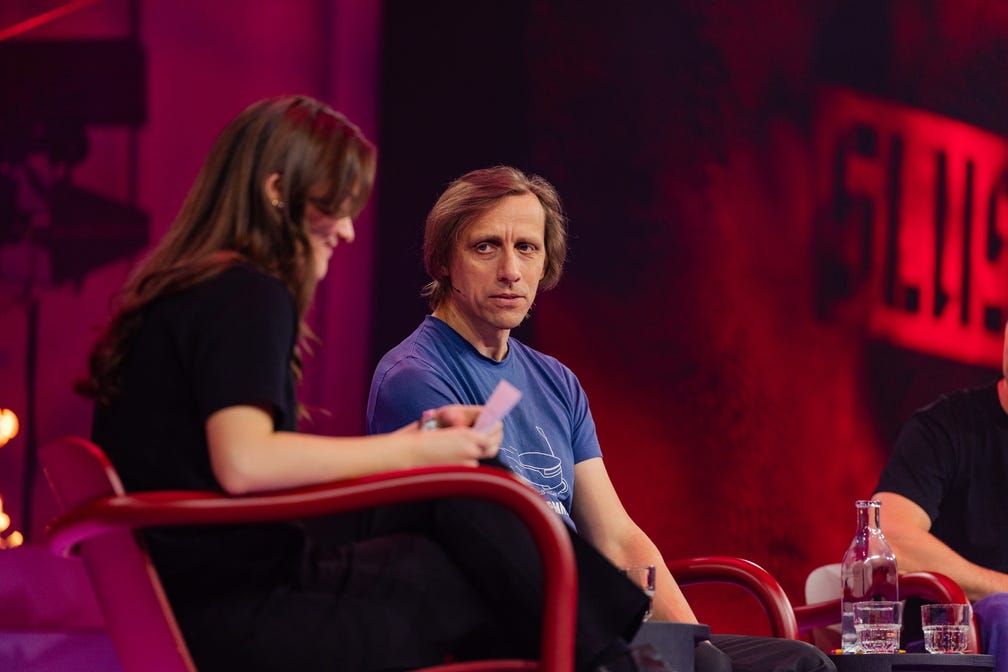
Ahti Heinla on stage at Slush 2025. Photo: Vertti Luoma/Slush
In a panel titled Founding the Future, Heinla and investor Taavet Hinrikus — a former colleague of Heinla from the early days of Skype — discussed the meticulous journey of scaling a deep-tech company from early Estonian prototypes to a global autonomous fleet.
A Decade-Long Sprint
Unlike the rapid nine-month software sprint that launched Skype, Heinla described Starship as a “marathon” that required years of “meticulous execution” and a strictly engineering-focused culture. Founded in 2014, the company was born from the realization that last-mile delivery—an industry largely unchanged for decades—could be disrupted by autonomous sidewalk robots.
“Building a company like Starship is fundamentally about solving incredibly hard problems that take an extended R&D phase,” Heinla noted.
He emphasized that while many startups rely on “network effects,” deep tech requires overcoming high technical risks and capital-intensive hardware development before market demand can even be proven.
The Commercial “Turning Point”
Taavet Hinrikus, whose venture firm Plural co-led Starship’s $50 million Series C late 2025, noted that Starship is now “cheaper than a human courier,” a milestone that is powering the company’s rapid expansion. This success arrives as the 2025 State of European Tech report by Atomico highlights a massive shift in the region’s focus: Deep Tech and AI now capture 36% of all European venture capital, up from 19% just four years ago.
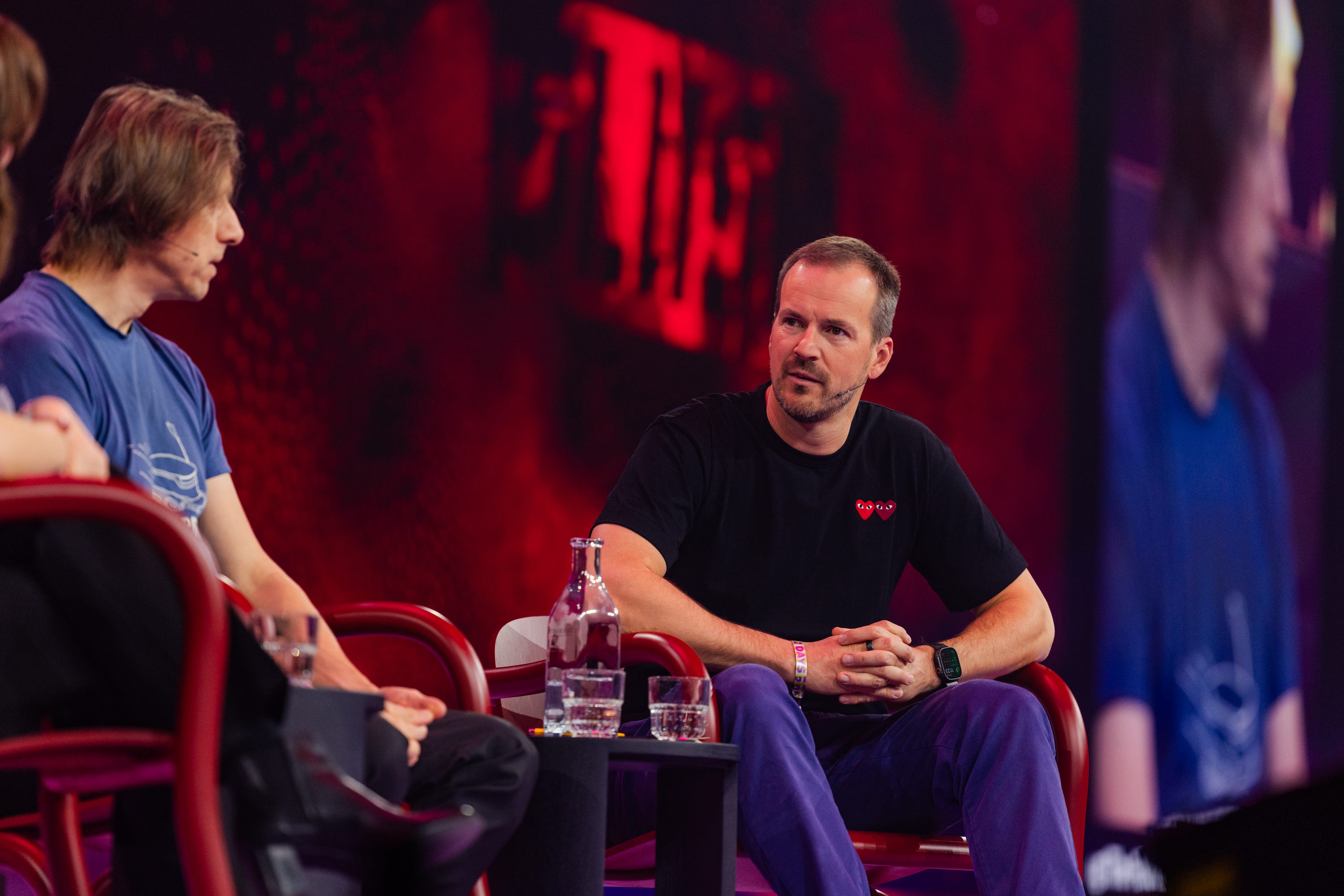
Heinla and Taavet Hinrikus Photo: Vertti Luoma / Slush
Despite this momentum, the report warns of a persistent “growth gap.” European deep-tech companies are still five times less likely than their U.S. counterparts to raise rounds exceeding $100 million. Furthermore, a “storytelling gap” often leads investors to perceive European deep-tech ventures as more “cautious and academic” rather than visionary market leaders.
Scaling Beyond the “Bubble”
Starship has defied these trends by achieving profitability, with its robots now completing 2 autonomous road crossings per second worldwide.
9 Million Deliveries: Starship says it has completed more deliveries than all U.S. competitors combined.
Metric Optimisation: Heinla described a rigorous phase where the team had to optimise cost-per-delivery by 250 times to become commercially viable.
Global Footprint: While the company is a “mass market” reality in Finland, the focus is now on replicating this in the US and UK through partnerships like the recently launched Uber Eats collaboration.
Unanswered Questions
While Starship serves as a blueprint for European deep tech, the discussion raised several open questions:
The Exit Bottleneck: Atomico finds that a lack of M&A exit routes is the top barrier preventing VCs from writing more cheques for mature deep-tech firms.
Talent Mobility: 18% of European founders still choose to incorporate in the US to access “deeper pockets” and faster scaling, a trend that initiatives like EU-INC hope to reverse.
Institutional Firepower: How quickly can European pension funds—which currently allocate just 0.01% of assets to VC—be mobilised to provide the “patient capital” these marathon companies require?
Heinla’s advice to the founders at Slush was rooted in this long-term grit:
“Go and build something hard. Quick and easy successes are attractive, but building something difficult is far more dependable in the long run”.