
FOMO.12: Estonian, open to risk: Building own VC fund in busy London
Also, this week: A deep dive into the pitching competitions.

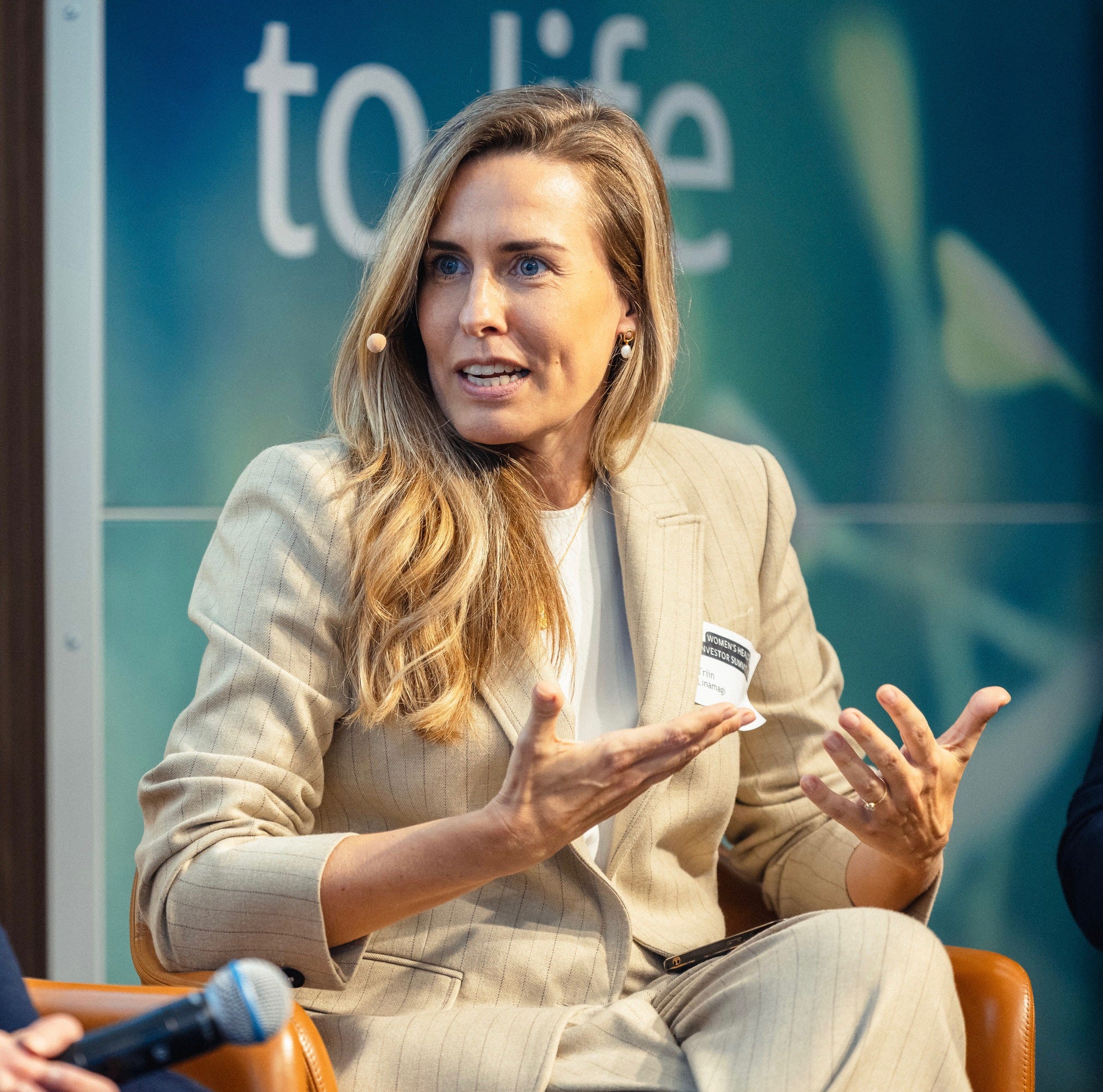
“I’ve just happened to be in the right place at the right time - most of my life, which has been just grabbing these opportunities and also being very open to risk,” Triin Linamägi, Founding Partner of Sie Ventures, tells me as we sit down for this conversation. She’s home in Tallinn for a family visit, with her newborn, so I’ve grabbed this rare occasion for a face-to-face interview.
Based in London since 2012, she originally launched her career in Estonia by founding consumer lending businesses aimed at the UK market. This early experience sparked her initial interest in moving to London.
She asks me how I ended up in Estonia, and aside from my usual ‘I like the tech scene’ spiel, I tell her I like the quiet and how small my life is here. She’s quite the opposite.
“I don’t love the quiet. I mean, I love coming here for quiet, but just for a little while, I love going back to the crazy. So I think it was a perfect place for me to be, and to start growing what I was growing at the time,” she says.
“It was really exciting. And I really felt I fit in immediately. There’s so much going on all the time, and just coming back to Estonia, and the ecosystem here at the time, just felt boring to me. I think it was about the mindset, and I love the busy city and always being challenged.”
She does admit to me that the move to London was her second attempt. A previous attempt had not worked out. Her return home gave her the understanding that she wanted to go back and find something; it was the life she craved. But, she didn’t leave without turning down what could have ended up as a very lucrative opportunity, an early start in Wise.
“Do I have regrets? I don’t think I ever had regrets as such, because I went on to do things on my own. And I think if I joined TransferWise [as it was first known] at the time, I would have just been an employee, rather than really founding something on my own.”
“It was just a time of my life where I felt it was time to move and explore something else. I also had the idea of building this job interview platform,” she explains. That is exactly what she did.
She co-founded Jobatar with Simon Hughes when she moved to London. She later parted ways with the company in 2017, when she and Simon wanted to take it in different directions. She wanted to go big, and he didn’t.
Investments beckoned
“At some point, we started to see competitors coming from the US, very well funded, building better than we did, taking over the customers. A very typical startup journey, when you don’t have enough funding to move fast enough,” she explains.
This opened the door for her to move into helping startup founders rather than being one. Linamägi had already been helping out at Startupbootcamp FinTech, an accelerator backed by banks and financial institutions, so she moved to the role full-time.
“I looked after a portfolio of 30 FinTech companies there. We did all the sourcing, all the investments, all the portfolio support,” she says.
“Then moved to Founders Factory, which was my first, I would say, decent investment job, where I was looking after the investments of the Guardian Media Group, EasyJet, and Aviva, as well as a couple of other corporate LPs that we had in the fund,” she tells me.
One of the founders she’s invested in went on to raise his own fund and invited her to join as a founding team member of The Venture Collective. “It was a great start, but we ended up investing primarily in the US,” she says. “The rounds got filled much quicker, and as we were a new fund, we needed to move fast. We needed to build our track record.”
Linamägi was starting to notice something about the investments, “We continued investing in the same type of people. You constantly have calls with, and see on the investment committees that the people we are backing are white males.”
“The women that I always saw pitching, no matter how good a performance they had, or how good a track record they had, how great revenues they had in the businesses they were in, were not selected to be invested in,” she explains.
“Women have to educate male investors about the market that actually even exists; they spend too much time explaining and educating about the market,” she tells me, noting that male founders don’t have to spend that extra time convincing investors of a market.
I asked her, “Couldn’t you have influenced that?” to which she replied, “You do, but very limited. And that’s why I left, and why I always say, if you can’t change the industry inside, you have to go and build it outside, which is why I did what I did.”
Sie Ventures
So what did she do? She started her own investment firm and called it Sie Ventures, from the German word for she.
“I want to invest on my own terms, in people I believe that can build great things, and in people that are absolutely, completely overlooked in the market and just don’t get access to the capital,” she says.
She not only wants to get capital into the accounts of women-led businesses, “but also unlock the knowledge of how to navigate raising venture capital money.” Sie Ventures has founder programmes and an angel syndicate platform, and a new VC fund is in the making.
“I always feel like when women do something, they kind of have to really validate and build a track record before they actually go and build the next thing, right? I feel like that’s what I’ve been doing for the last five years,” she explains.
“I’ve always wanted to build my own fund, and I tried earlier as well - I clearly wasn’t quite ready for it. First of all, we had to prove our thesis that there are enough women-led businesses that are high performers, that are strong deals. And today, I built this portfolio of 25 women-led tech companies. I have multiples of 10x to 20x already to show in terms of the return. And I had my first exit.”
“So this had to happen before we can start building out something bigger - now it’s time for us to launch our first fund,” she says. In the making since last summer, it’s a partner fund called Arãya Sie Fund. Fund size: £15 million with a £20 million cap.
“This fund invests in women-led tech companies. It doesn’t have to have women only in the teams; we’re all about diversity, really. We invest early in pre-seed and seed, write cheques of £100,00 to £300,000, and we invest primarily in the UK,” she explains.
She goes on to say that 70% of investments are UK-focused, with around 30% going to the rest of the European market.
A future for women
As we wrap up our chat, I ask her, ‘What’s the dream?’
“I think I just want to look back one day and be really proud of what I’ve achieved, but also make money by doing it. I think today I’m really proud of what I’ve achieved and what I do, I wouldn’t say I’m quite at the point where I can say I’ve made enough money to say I made it,” she says.
“I want to be at the point where I feel like I made it, that I made it by doing what I love doing, and also being able to kind of pass that on to the next generation, which is my daughter, and maybe her understanding that the future is different because of what I’ve been doing, and I’ve been trying to do for a long time now,” she adds.
I’m writing this interview on the day that a woman just returned from a space mission around the moon. I’ve no doubt that by the time Linamägi’s daughter grows up, the opportunities will look a lot different because of the women who went before her. Linamägi’s dream will come true.
The term sheet wedding: Why startup pitching finals are won before the smoke machine starts

While founders sweat over slide decks for Latitude59, the reality of the sector’s premier pitching competitions is often decided in backrooms long before the smoke machine hits the stage.
“At the stage where we invest, the nature of the startup is much more important than the business,” says Lauri Antalainen, President of Estonian Business Angels Network (EstBAN).
No aspiring entrepreneur ever glows with as much radiance as on the day they are handed a cheque almost as big as they are, with a few lovely zeroes written across its front. This Hollywood game-show flair is part of the act, helping to gather crowds in the final hours of conferences.
MOVES
Äio also named Matthew Ottaway as head of sales, bringing over 20 years of global experience across personal care, food, and life sciences, including senior leadership roles with full P&L responsibility and building high-performing commercial teams across Europe, the Middle East, Africa, and beyond. The firm also said, the first consumer product made with its raw material hit the shelves in collaboration with the Estonian brand Tilk.
INNOVATION
Spiral Hydrogen said that over the course of the next 2 years it will be building a 100kW bubble-free electrolyzer pilot at the Port of Rotterdam together with SwitcH2 Offshore, an offshore ammonia scale-up.
“It is crazy to think that less than two years ago, all we had was an idea and a garage. This is the magic of startups: with the right effort and partners, anything is possible,” the team said in their Linkedin post.
NORDIC NEIGHBOURS
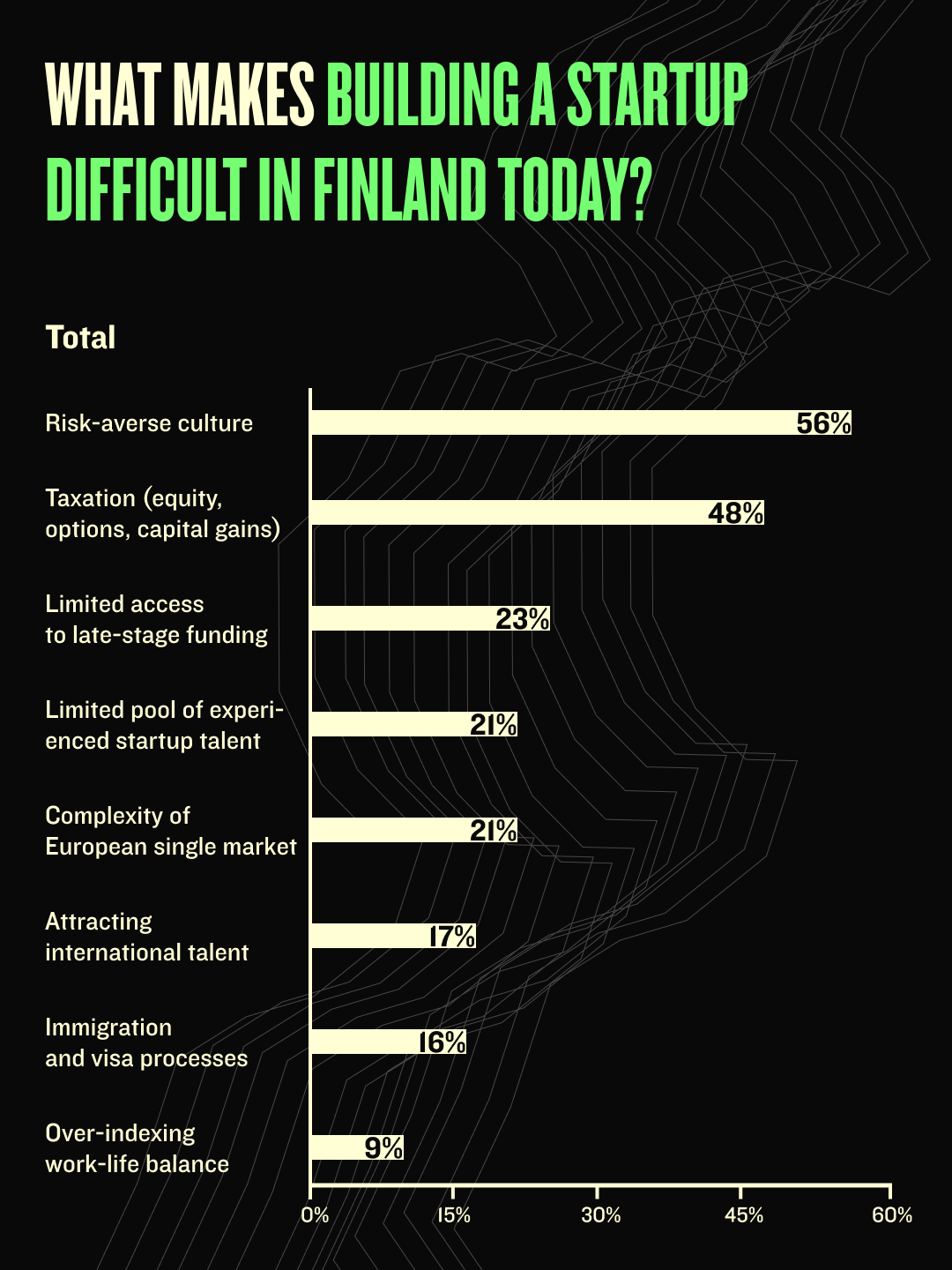
Slush survey of Finnish founders revealed that 56% believe the local mindset must change, and over half have considered relocating. This "relocation urge" signals an opportunity for Estonia, as Finns lobby for reforms - like taxing stock options only upon realisation - that are already cornerstones of our model.
While Finland boasts a legacy of unicorns like Supercell, their founders’ plea for media to better celebrate risk and failure reinforces our mission here at Fomo.Observer. It’s a stark reminder that while the "marriage" of a deal is brokered in the backrooms, the long-term survival of a hub depends on the "unvarnished truth" of its business environment.
DEADLINE
April 15: Latitude59 pitching competition.
Have a great week, everyone!