
FOMO.04: Fear and Loathing in Tallinn: The High-Stakes Pursuit of Deep Tech
In headlines: the challenged AI board, the health of founders and 7.2 mln seed round

We were somewhere around the edge of Tallinn, on the jagged rim of Tehnopol, when the sleep deprivation began to take hold. The air was thick with the scent of industrial-grade coffee and the electric, desperate musk of founders trying to outrun their own obsolescence.
At the centre of this hurricane stood Marius Ursache — a professional agitator of the entrepreneurial mind who has been navigating these trenches for twelve years. For the audience, it was Day 4. They had finished at midnight and were back in their seats by 08:30 as Marius, clad in an Iron Maiden shirt, began to speak. He threw out a few jokes to rouse the tired crowd before diving straight into the grim reality of Financials 101.
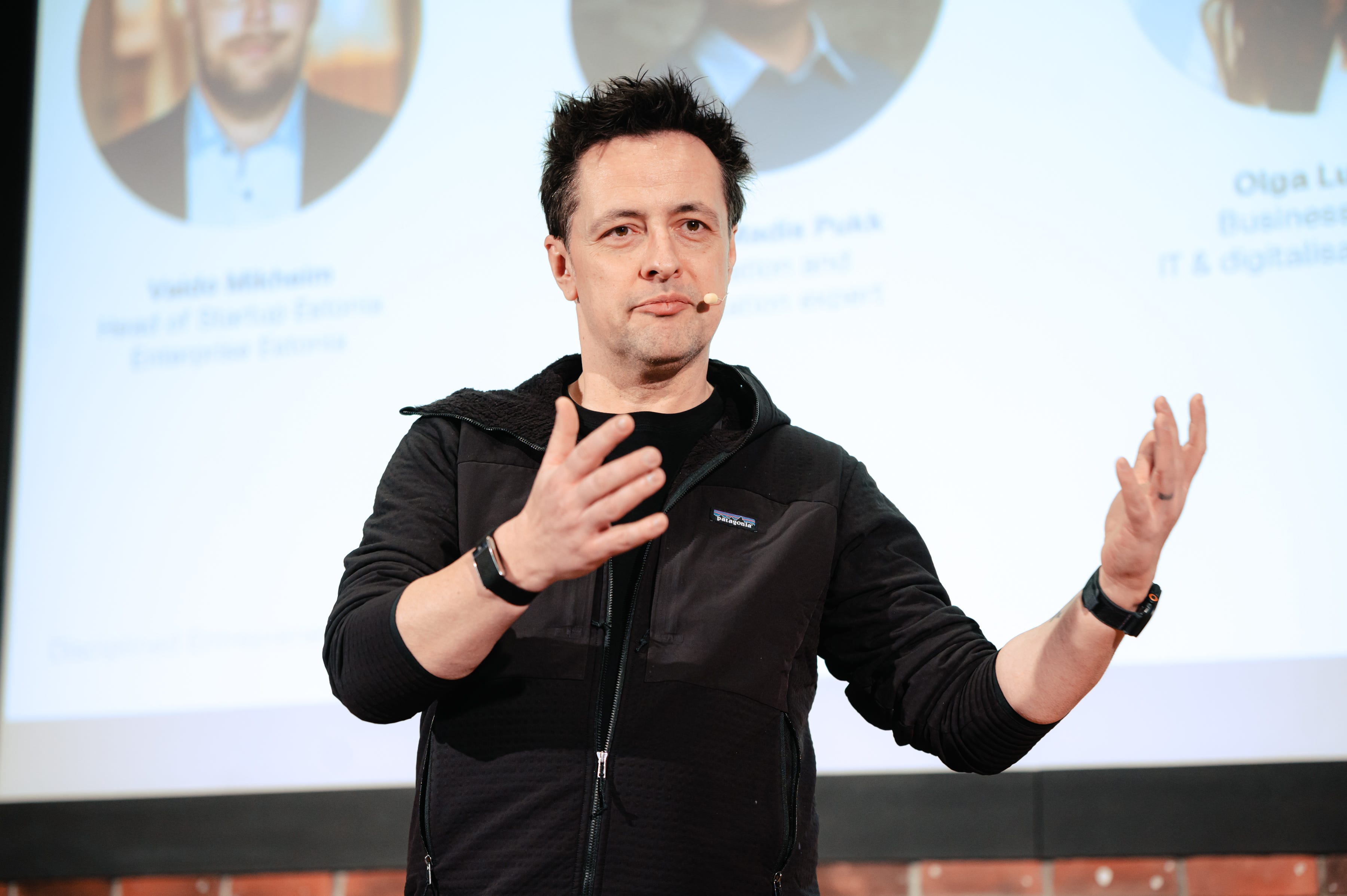
The Architecture of Chaos
Like most startup trainers, Marius and his team don’t give you fish; they throw you into the deep end of the Baltic with a broken oar. By Day 4, the attendees aren’t looking for “clarity”—they’re looking for the exit. But that’s the point.
“I hope they leave with the sense of... an important transformation in mindset,” Marius remarked. “The most important thing they will learn is that they have so much confusion they need to solve. In a company, a lot of times when you have high stakes, this is kind of the rhythm that you have... learning a bit how to cope with this kind of intensity and not crash.”
The methodology, a 24-step gauntlet created by MIT’s Bill Aulet, leaves 70% of participating companies standing after five years.
For these small teams, it is a brutal week; many spent the previous week in Tartu at Startup Day. Now, they are expected to build, sell, and raise money all at once.
By 08:51, the room was deep into cash flow statements and the life-or-death metric of runway tracking.


The Deep Tech Centre of Gravity
The morning’s lesson was a relentless barrage. By 10:14, the slides were “clear”: $Cash Conversion Cycle = DSO + DIO - DPO$. It sounds like a secret code for most of us, but at 10:17, they saw it in action: the “cash flow trap,” where a company can technically be profitable while simultaneously dying of thirst.
The centre of gravity in the venture capital world is shifting. Deep tech is no longer the fringe; it is the new frontier.
Investor Interest: About 1/3 of VC flow is now moving toward deep tech startups.
Resilience: Deep tech tends to be more resilient in economic downturns. While a SaaS company like Salesforce might lose seats if its customers downsize, deep tech providers offer essential, specialized infrastructure that is much harder to cut.
Residual Value: If a deep tech startup fails, there is often significant intellectual property or hardware left to be liquidated.
The VC Dating Game
Lunchtime shifted to the psychology of the raise. Marius and his team on stage emphasized that a first meeting with an investor isn’t about getting a check—it’s about getting the second meeting.
Educational Leverage: Many VCs lack specific deep tech experience. Founders must educate them, moving them away from traditional SaaS metrics like MRR and toward milestones that prove technical progress, such as “lumpy” equipment tape-outs.
The Thesis Trap: Every VC has a “thesis” — a promise they made to their own investors (Limited Partners). If they promised to invest in satellite communication and you pitch a “hipster” tonic water company, you are wasting your time.
The TRL Guide: Your Technology Readiness Level (TRL) is your compass. It dictates which investors you can talk to and which non-dilutive grants you can hunt.
The Cohort on the Edge
The teams — KappaZeta, Thistle, Wenture.io, and the rest — are navigating a world where the “Deep Tech Playbook” requires patient capital and 5-10 year R&D cycles. Only 29% of deep tech companies have any revenue at all by Series A.
As the sun sets over Tehnopol, these founders aren’t just looking for “product-market fit.” They are learning to navigate the Sovereign Risk of the grant game and the VC Nightmare — which Marius notes isn’t actually losing money, but rather saying “no” to a startup that eventually becomes a unicorn.
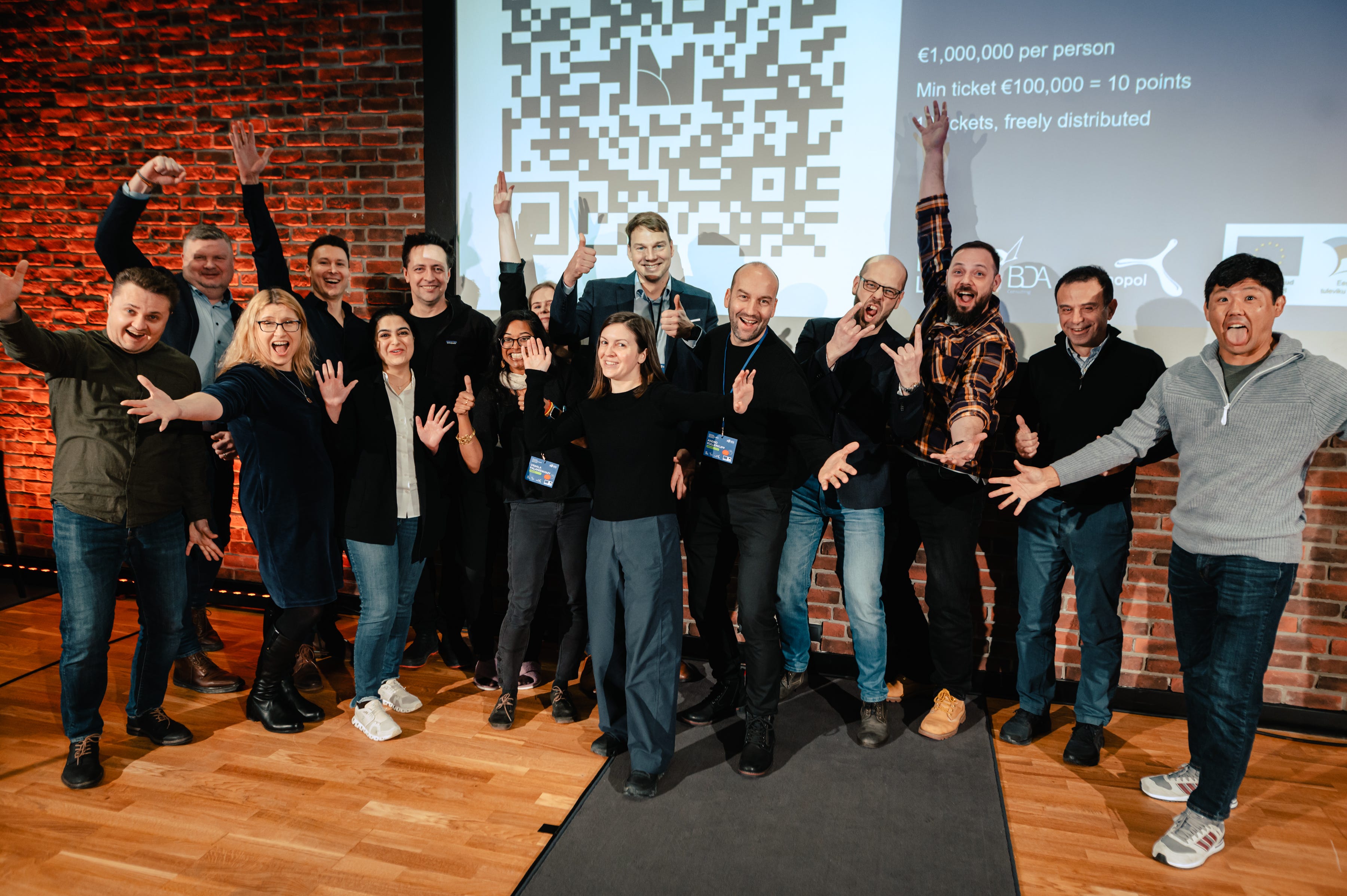
The Disciplined Entrepreneurship Bootcamp was brought to Estonia by the Estonian Business and Innovation Agency (EIS) in cooperation with Tehnopol, BDA Consulting, and DE Labs.
Elsewhere this week
In Estonian media, the discussion Karen K. Burns started here at Fomo about the PM’s 5-man AI board continued with promises to expand the team.

Also, the discussion of the founder’s health continued; we contributed a great column, “Why I don’t want to be a line in investor Excel,” by Plausible’s Uku Täht.
In the startup world, we are taught to worship the growth curve. But Uku reminds us that behind every "line" is a human life. Choosing to stay independent and focused on a sustainable, profitable business isn't "settling" — it’s a conscious choice for freedom. Plausible is proof that you can take on the giants (like Google) without sacrificing your values or your sanity.

Defence tech is the new black — Estonia-registered Farsight Vision raised a whopping seed round.

Before you go on with your Sunday, one more great read from the team:
125 miljonit põhjust Liina Vahtrast portreteerida

Nagu nädalapäevad tagasi lugeda võisime, oli e-residentsuse programmi jaoks 2025. aasta rekordiline - asutati 5556 ettevõtet, mida oli 15 protsenti rohkem kui aasta varem. Lisaks kasvas riigile laekunud otsene tulu 87 protsenti ning jõudis 125 miljoni euroni.
Selle masinavärgi eesotsas on Liina Vahtras, kes juhib Ülemiste Cityst 25-liikmelist multikultuurset tiimi ja navigeerib samal ajal ametkondliku võrgustiku keskel.